
Media Networks on Child Rights and Development (MNCRD)
Mobilizing civil society, media, and children
About Us
The Media Network on Child Rights and Development (MNCRD)
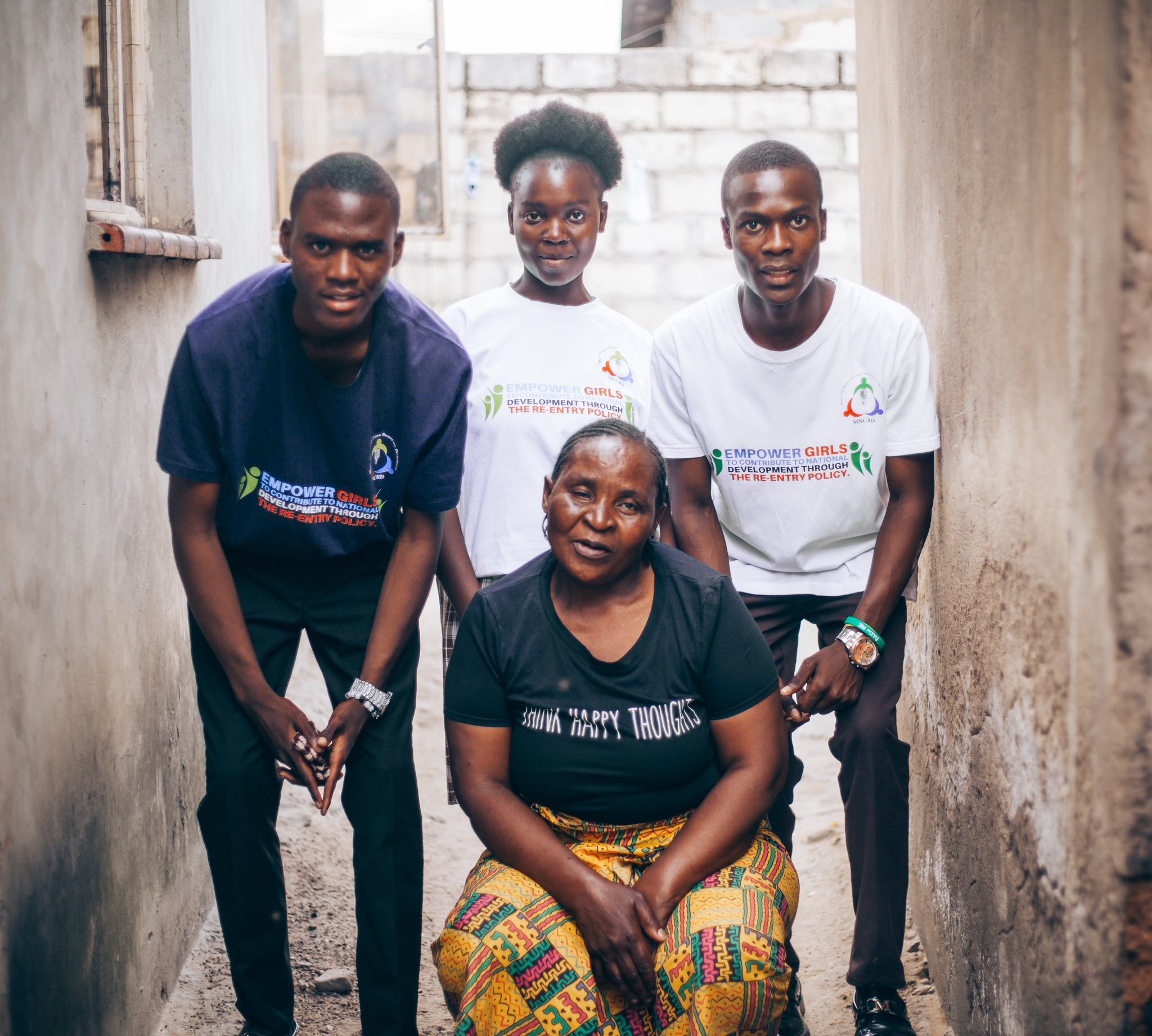
is a dynamic, membership driven, media association dedicated to sensitizing and equipping the media, civil society and children to promote child rights and development issues. It works with government, civil society, cooperating partners, children, and journalists to ensure that the voices of children and their issues are echoed through the media to achieve policy change and implementation.
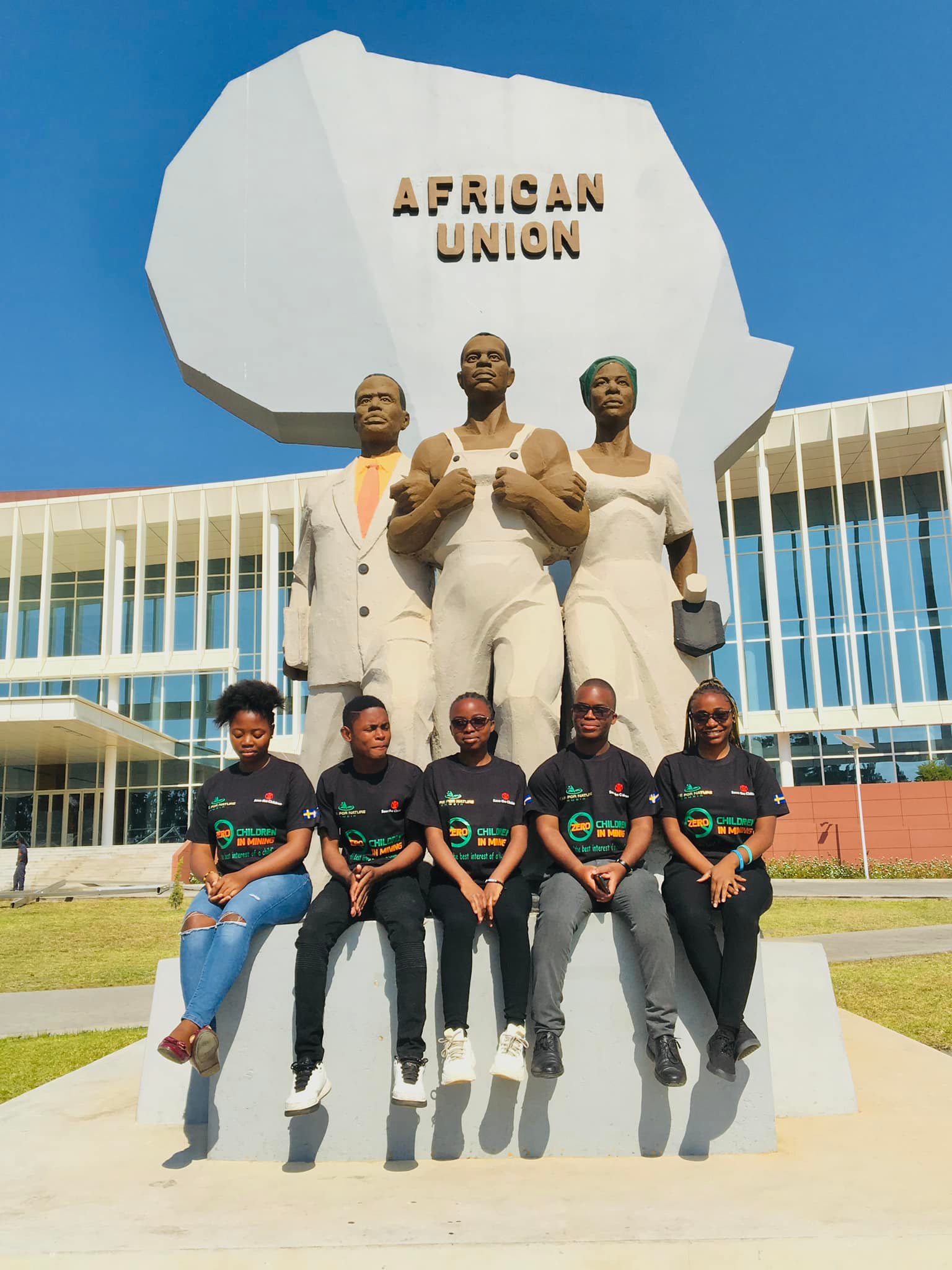
What Drives Us?
Media Networks on Child Rights and Development
Our Vision
A society where children's rights are understood, prioritized and enforced.
Our Mission
We exist to empower journalists, civil society and children with media skills.
Our History
The idea to form the Media Network on Orphans and Vulnerable Children (MNOVC) was conceived in 2002


Our Partners
Media Networks on Child Rights and Development Partners





MNCRD Q & A
Questions & Answers
Q and A for Media Networks on Child Rights and Development
What role do media networks play in promoting child rights and development?
Media networks play a crucial role in raising awareness about child rights and development. They inform the public, advocate for policy changes, and highlight both positive developments and areas needing improvement in the protection and promotion of children’s rights .
What steps can media networks take to improve their coverage of child rights issues?
Media networks can improve their coverage by training journalists on child rights and ethical reporting, collaborating with child rights organizations, and developing clear guidelines for reporting on children. Engaging with experts and regularly reviewing their practices can also enhance the quality of their coverage
How can media networks collaborate with child rights organizations?
Media networks can collaborate with child rights organizations by sharing information, co-organizing events, and participating in joint campaigns. They can also seek expert advice on ethical reporting and use data provided by these organizations to inform their coverage